Aerospace
Lightweight fixtures, ducting aids, bracket studies, and inspection-ready tooling packages.
Aerospace and medical deep-dive
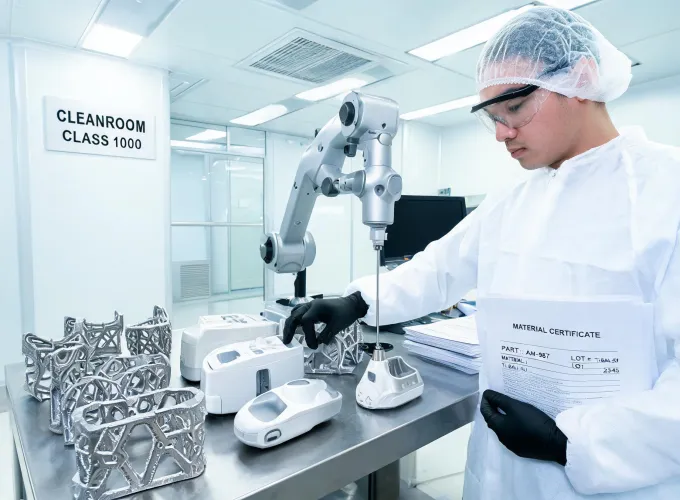
Desktop Metal supports industry teams that need production tooling, equipment components, fixtures, and prototypes to move through engineering review without losing documentation. The work is especially valuable when complex geometry, low-to-mid volume demand, or rapid launch pressure creates a gap between conventional sourcing and practical additive manufacturing.
Eight verticals
Lightweight fixtures, ducting aids, bracket studies, and inspection-ready tooling packages.
Design validation models, surgical tool aids, device housings, and documented material choices.
Grippers, end-of-arm tooling, compact brackets, and repeatable low-volume mechanism parts.
Gauge fixtures, ergonomic assembly aids, cooling inserts, and bridge-run component support.
Replacement components, complex manifolds, test hardware, and equipment accessory programs.
Service tools, prototype flow components, repair support, and high-mix spare part evaluation.
Appearance models, functional prototypes, and pre-tooling design feedback for launch teams.
Experimental fixtures, sensor mounts, small-batch equipment parts, and rapid design learning.
Alternating process
Teams identify whether the project needs material certificates, AS9100D-style documentation, ISO 13485-style traceability, customer drawing control, or internal engineering release evidence.
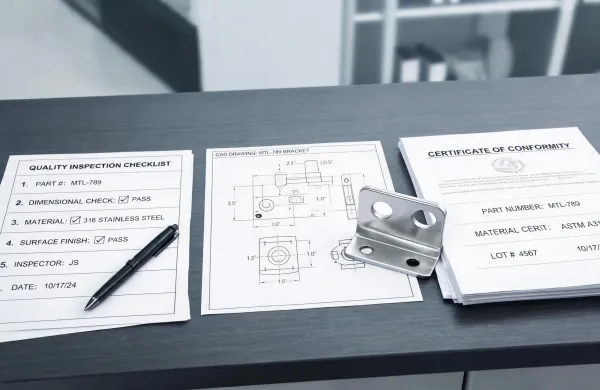
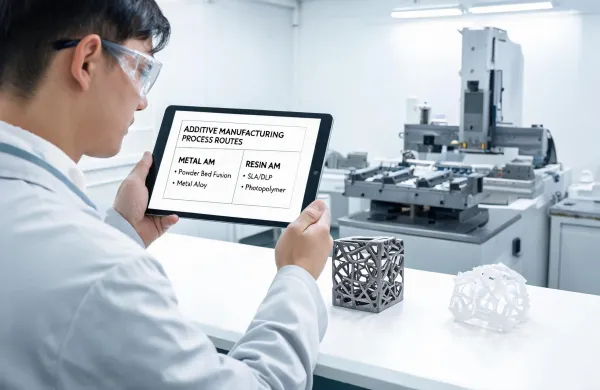
Complex features are compared against metal additive, resin printing, machining, tooling, or hybrid routes so buyers know which process is carrying the value.
Case highlight
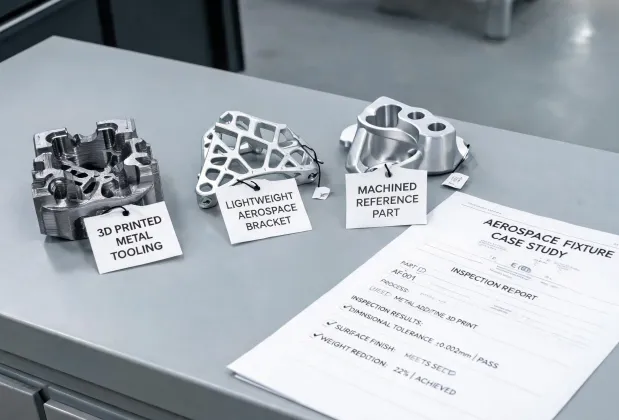
An aerospace supplier needed a lighter assembly fixture before a pilot run. Desktop Metal reviewed the CAD model, flagged access surfaces that still required machining, selected a metal additive route for the complex body, and preserved inspection notes for the customer quality meeting. The result was not merely a printed part. It was a documented launch tool with a route the buyer could repeat.
Certification awareness
Baseline quality management expectation for repeatable manufacturing communication.
Aerospace-style documentation expectations can be reflected in route and inspection planning.
Medical device teams receive clearer material, traceability, and validation conversation points.
First-article style evidence can be scoped before build, finish, and release decisions.
Industry intake
Share the industry, drawing status, material constraints, and evidence expectations. We will recommend an additive or hybrid manufacturing route that respects both geometry and approval pressure.