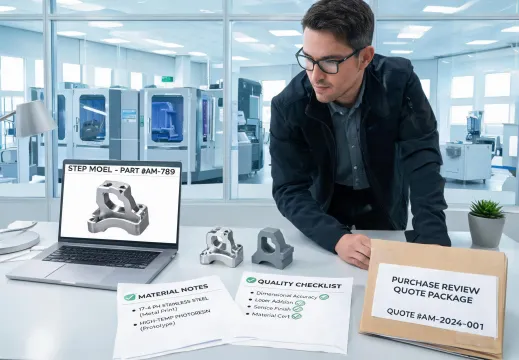
Binder jet metal programs
Build planning for cost-sensitive metal parts, fixtures, and equipment components that need repeatable batches.
Production additive programs
Desktop Metal connects DfAM review, qualified build planning, fixture strategy, and bridge production support so engineering teams can move from prototype geometry to repeatable production cells without losing traceability.
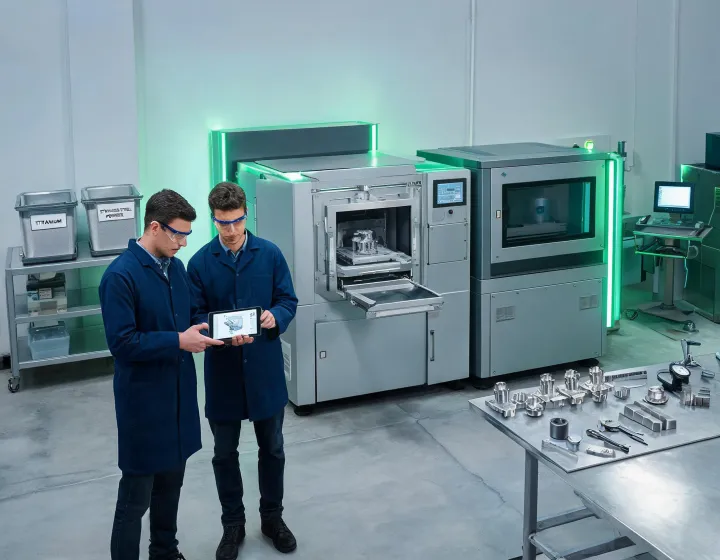
qualified build records reviewed across additive and machining workflows
fixture, tool, and equipment projects routed through engineering intake
of process data informing material, finish, and post-processing choices
validated production paths for metal, resin, hybrid, and bridge programs
inspection and documentation checkpoints available for buyer release
DfAM-forward execution
Instead of treating 3D printing as a one-off prototype request, Desktop Metal packages process choice, inspection planning, and release documentation into a sourcing workflow buyers can repeat.
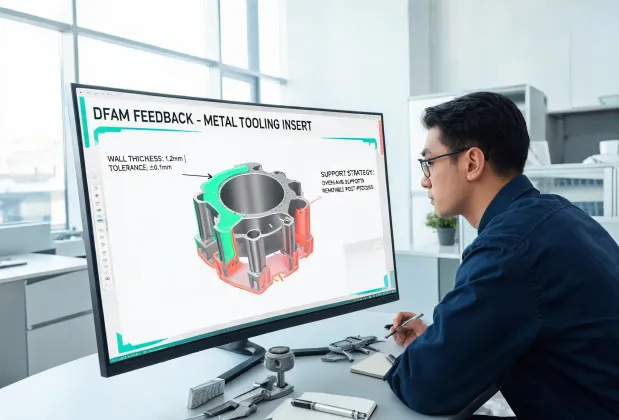
Geometry, material, surface finish, and downstream machining assumptions are reviewed early, so procurement teams see manufacturability risks before they lock budget, timeline, or supplier commitments.
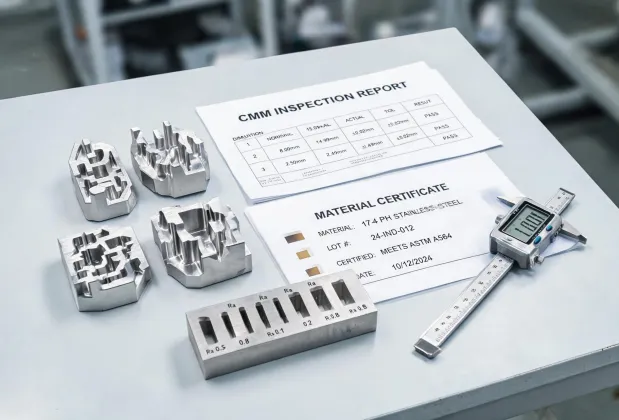
Inspection snapshots, material notes, build orientation logic, and finish recommendations are organized for buyers who need internal approval, supplier audits, or controlled handoff into bridge production.
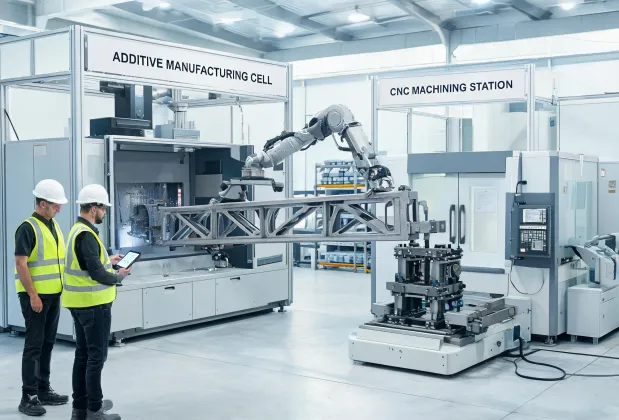
When prototypes become real demand, the same intake logic can support low-volume repeat runs, post-process controls, and transfer packages for long-term production supply.
Tooling, equipment and machinery
Featured route
Ideal for conformal cooling inserts, lightweight fixtures, end-of-arm tooling, and validated jigs where shape freedom needs inspection discipline.
Review tooling scope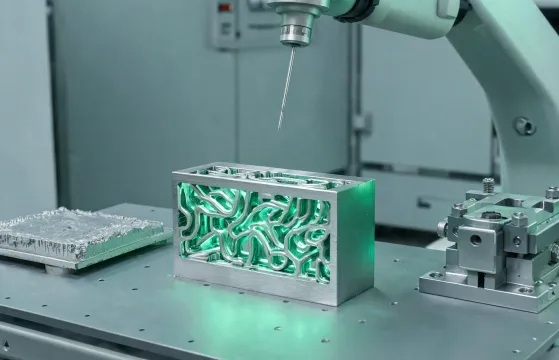
Build planning for cost-sensitive metal parts, fixtures, and equipment components that need repeatable batches.
High-detail resin prototypes for fit checks, presentation models, and pre-tooling design confidence.
Machining, finishing, heat treatment, and inspection routes aligned before the first build starts.
Process mapping for buyers comparing printer, tooling, and shop-floor equipment options.
Application coverage
Lightweight fixtures, ducting aids, and inspection-ready build records.
Prototype-to-pilot paths with material clarity and controlled review notes.
End-of-arm tooling, grippers, brackets, and compact mechanism parts.
Bridge components, gauge fixtures, and fast engineering iteration loops.
Replacement parts, process tooling, and production cell accessories.
Complex manifolds, test hardware, and low-volume service components.
Ready for review
We will map the additive route, flag DfAM risks, and recommend whether metal, resin, hybrid machining, or conventional equipment sourcing is the cleanest path.